
What Are The Different Types Of Houses In The UK

| Fee-Free Mortgage Broker | |||
| We are a fee-free broker for most cases. Fees may apply on complex cases, including adverse credit, company buy-to-let, visa applicants and loans under £250,000, and will always be confirmed in writing before you commit. | |||
 | |||
| TRUSTED MORTGAGE BROKER | |||
|


What Are The Different Types Of Houses In The UK?
Buying a house is one of the biggest decisions you will make, but before you hit the road let us understand the different types of houses in the UK. Whether it’s a flat or a semi-detached house, knowing the type of housing you want is important.
Let us explore more in this guide about what the different types of houses are in the UK.
In this guide:
The Different types of UK houses.
How to choose the right house type?
Can the type of house affect your mortgage application?
The UK housing market
What are the different types of UK houses?
The UK housing market is made of 7 major types of houses.
1. Detached
2. Semi-detached
3. Terrace
4. End terrace
5. Bungalows
6. Cottages
7. Flats, Maisonettes
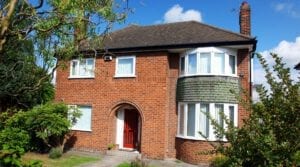

Detached
As the name suggests, a detached house is not attached to any other home. These houses are often larger than other houses and offer more privacy and more space. Detached houses have generally larger gardens which offer plenty of scope to extend.
Many homeowners’ dream home is a detached house, simply because they tick most of the boxes. Detached houses can be very expensive compared to other houses types.
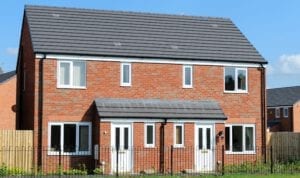

Semi-Detached
This type of houseis attached to another semi-detached home by a single middle wall and is not attached to other sides of the neighbour’s house. Semi-detached houses are cheaper than a detached house while still offering good privacy while having space to extend.
Many semi-detached houses built in the 1930s offer good value and are more popular than 1940s and 1950s semi-detached homes. These houses are usually smaller than a detached house.
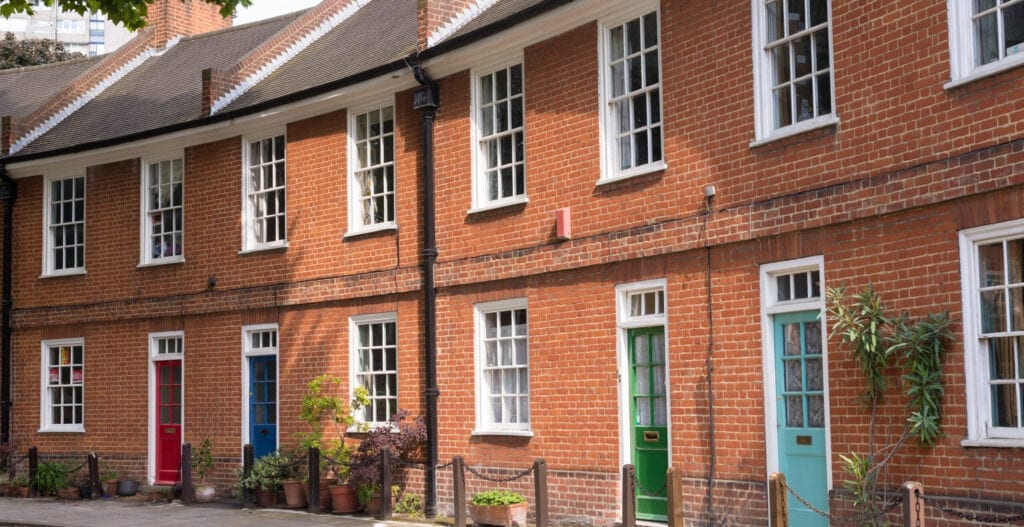

Terrace
These houses are attached to each other and are in row of multiple connected homes. Terrace houses share both walls with a neighbour, hence the privacy is compromised compared to a semi-detached house.
These kind of houses are preferred by smaller families and first-time buyers as they are less expensive than semi-detached houses. In today’s property market smaller properties tend to sell quicker and offer more value for money.
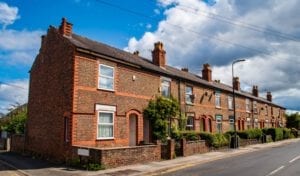

End Terrace
As the name suggests, these are end of the row houses. This type of house is very popular as they are attached from one side and detached from other side. An end terrace can be as good as semi -detached house, as they both share only one wall with a neighbour.
This type of property offers more space than a terrace house and better privacy.
Many of these properties will have a bigger garden or driveway.
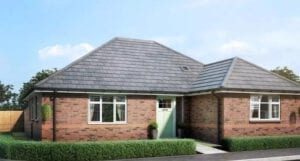

Bungalows
These types of houses are often on one floor only. Sometimes bungalows have a second floor in the form of a loft. Many bungalows can also be detached or semi-detached. This type of property is preferred by those who are downsizing or retirees, as the lack of steps can be a great convenience.
Bungalows often have a larger plot than a semi-detached house as everything is on the same floor, sometimes they offer a good driveway and larger gardens.
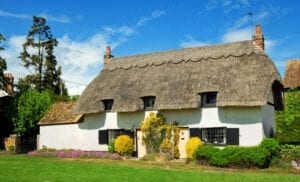

Cottage
A Cottage is often mistaken for a bungalow, but they are different, offering a lot of characteristics. Most cottages are found in villages and more rural locations, with small windows and a lower celling. A Detached cottage can be expensive due to a sought after rural setting and the charm it may offer.
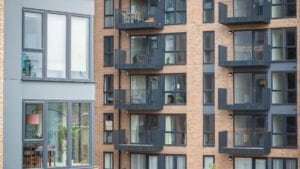

Flats or Maisonette
Flats are usually a purpose build. Maisonette are converted into flats. Flats are less expensive than houses and are mainly preferred as a first property or for a smaller family. Most flats are leaseholds, unlike houses, which are freehold.
Flats will have a typical 2- 3 story building, but now a days high rise flats are very common especially near towns and cities.
How to Choose the Right House Type?

Choosing the right house type will depend on many factors like:
Affordability:
Always check how much can you afford to borrow plus your deposit, this will help determine the type of property you can go for. Without an affordability assessment, you might be looking at properties you may not be able to afford. Always check our mortgage calculator or speak to one of our mortgage brokers to know how much of a mortgage you can get.
Area you want to live in:
Before deciding the property type you want to buy always decide the general location of the property. While deciding the location of the property, points to be considered are how would you commute to work or get the kids to school.
If you have a young family then you will choose areas with good schools, which involves choosing a property type. But, if you choose the city centre as a location from considering the commute to work then the chosen property type will be a flat as they are widely available in cities compared to houses.
Duration you want to live in it for:
While looking for the perfect property for yourself, one factor is how long you plan to stay in that area? Someone with a job in the city would prefer a flat nearby the area while thinking of their daily commute.
But families with children may want to buy near schools considering their school run for at least a couple of years. In the current market home moving has become very expensive. Considering the interest rate, stamp duty and high property prices, many people end up staying longer in same house than they want to, meaning this aspect of deciding a property is all the more important.
Can the type of house affect my mortgage application?
Your mortgage application approval can depend on the house type. If you have a fixed rate or a tracker rate mortgage, the term may not be affected by the property type. Someone buying a house may get upto 95% LTV with their mortgage compared to buying a flat which may reduce the loan to value to 85%, forcing you to have more of a deposit.
Most mortgage lenders would prefer a freehold property than leasehold flat due to lease restrictions. High rise flats with cladding or with higher service charges may result in a reduced loan or the bank declining your mortgage application.
UK Housing Market
In the UK there are around 29.9 million households. Across England and Wales, 19.3 million of households lived in a house or bungalow, and around 5.4 million lived in a flat or maisonettes.
The number of people living in flats has increased recently due to the higher house prices. The government’s target to build new properties has fallen well below expectations, resulting in a shorter supply vs increasing demand, which pushes property prices up.
How to Increase Borrowing to Purchase the Type of Home You Want?
Higher property prices make it difficult for many to buy the dream house they wish for. We have also seen longer term mortgages becoming more common than before. Many mortgage borrowers are going for a longer term mortgage to keep the monthly cost down in today’s high interest rate market.
Getting the maximum mortgage possible is the top priority for many borrowers, so they can maximise the money they borrow and get the best property they can. Many mortgage lenders also offer income boost mortgages allowing the borrowers to borrow up to 5.5 times their income. This gives a big boost to a (for example) couple with an £80K income, who could borrow upto £440,000 plus their deposit amount.
Saving enough for a deposit can be a big challenge for many first-time buyers. But making use of the help available and working with a Fee free mortgage broker could ease some pressure while buying your first property.
FAQs:
What Are The Types Of Houses In The UK?
There are seven main types of houses you can find in the UK: detached, semi-detached, terrace, end of terrace, bungalow, cottage and flats.
What Is A 3-Story House In The UK?
3-storey houses aren’t as common as 2-storey or even single-storey houses in the UK, but they do exist. On average, a 3-storey house is typically between 9 and 10 meters tall. The exact height will of course vary from one property to other property.
What is the best type of house to buy in the UK?
Many home buyer dream of detached house but new research show that terraced properties with parking and gardens are on top spot. Terraced properties tend to be more affordable to buy compare to detached and semi detached which makes them very popular.
Related Mortgage Guides
How to get a DIP
How to be mortgage ready
Mortgage Approval Time Through A Mortgage Broker.


